Mold Removal in Arvada, CO
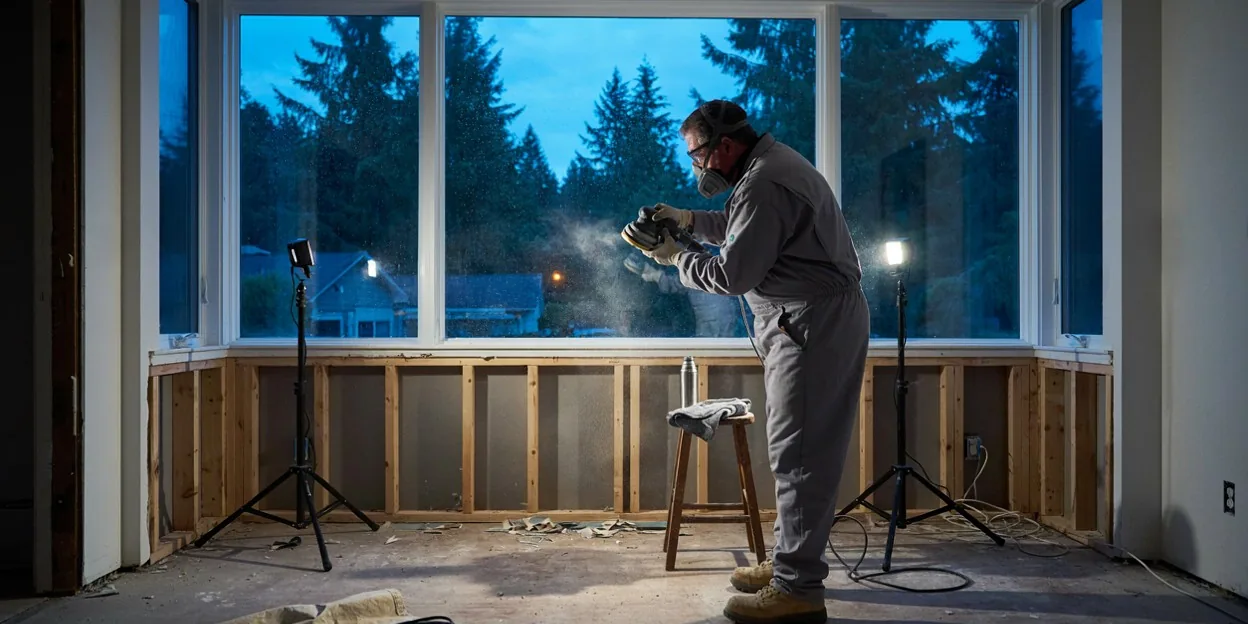
The basement family room has smelled off since the snow left the yard, and when you pulled the corner of the carpet back the pad was dark and stuck to the slab. The drywall above the baseboard has a gray band along the bottom, and the baseboard itself is soft at the nails. On the outside of that same wall there is a window well with six inches of leaves in it. This site connects you by phone with an independent local provider who does mold removal in Arvada and across Jefferson County.
Reading the wall from the inside and the well from the outside
The saw stays in the truck until the wall and the slab have been metered. A pin meter on the drywall and a non-invasive meter on the slab and the bottom plate tell the crew how far the water traveled, which in a basement is usually farther along the wall than the stain shows and sometimes under the whole carpet. They mark that line on the finished side, then go outside and look at the well, the grade, the downspout, and the foundation face for the way in.
Then containment goes up. Plastic seals the stairwell and any doorway to the rest of the lower level, the furnace returns in that room are taped over, and a HEPA air scrubber is ducted out the window well so the room runs under negative pressure. Dust from the demolition stays inside the plastic instead of riding the furnace to the bedrooms.
Clear the well, shut the valve, leave the furnace fan on auto
If the water came through a window well, clear the leaves and check the drain at the bottom; if it came from the water heater or the washer, shut that valve. Photograph the well, the floor, the pad, and the wall before anything moves. Do not pull the carpet or the drywall yourself; a wet board sheds spores when it tears, and without containment they end up in the ductwork.
Leave the furnace running and set the thermostat fan to auto, not on. Skip the bleach. Bleach soaks into the paper face and never reaches the growth in the gypsum core. If the wet wall is under a bathroom or the kitchen rather than a window, check the cabinet floors above for a slow leak that found its way down.
Drywall and pad to the mark, studs stay if they read dry
Drywall, baseboard, carpet pad, and wall insulation that read wet are cut out to a set height above the meter line and bagged inside the containment. The studs, the bottom plate, and the foundation wall stay if they read dry after cleaning. A bottom plate that sat in water through the melt sometimes has to be cut and sistered, and the crew tells you that before they do it.
After the demolition every surface in the containment is HEPA vacuumed and wiped. Air movers and a dehumidifier run until the framing, the slab, and the foundation face read dry, which below grade can take most of a week. If the growth has reached the furnace or the ducts, see HVAC mold cleaning. If the whole lower level is involved, the job becomes whole-home mold remediation. Putting the wall and the carpet back is mold damage repair.
Clay that moves, wells that settle, and the Arvada permit desk
Arvada's older neighborhoods, Lamar Heights, Alta Vista, Scenic Heights, and the streets around Olde Town, are 1950s and 1960s brick ranches with poured or block basements that have ridden sixty years of clay swelling and shrinking under them. The newer two-stories in Candelas, Leyden Rock, and West Woods sit on engineered foundations, but their window wells and downspouts still sit in the same clay, and a well that settles two inches away from the house becomes a funnel. Spring melt in March and April is the season most basement calls start; hail season, May through August, is the second.
Colorado has no mold license. Removal is a trade the provider represents its own training in; rebuilding drywall, plumbing, or electrical is licensed work through the City of Arvada or the county, and a rebuild that touches wiring or pipes needs a permit. Most Colorado homeowner policies pay for a sudden pipe failure and exclude seepage through the foundation, so note the date you first saw the water and whether a pump or a pipe was involved.
Calling about a soft baseboard below grade
Have the address, which wall it is, what is on the other side of it, and how long the carpet has smelled. Say whether a plumber or a foundation company has already been out and whether anyone has painted over the spot. Call (720) 823-6943.